Children don’t always have the words to explain their feelings, and at times they struggle to understand them as well. They may sense that something feels off, but articulating it as 'I’m anxious' or describing what’s bothering them can seem impossible. This is where art therapy can provide invaluable assistance. Art therapy offers children an alternative method to communicate and explore their emotions, facilitating their mental health support. Through various creative activities like drawing, painting, clay work, collage, movement, storytelling, and play, children can express feelings that are often hard to verbalize.
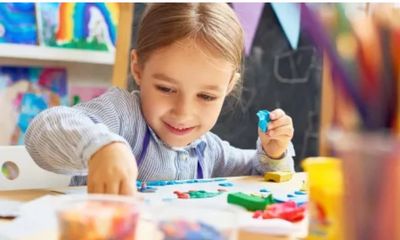
For many children, engaging in creative activities often feels much more natural than sitting down and having a serious conversation about their feelings. Through art therapy, they can draw a picture, make something, choose colors, or create a story, which can serve as a gentle starting point for conversation and exploration. This approach to children therapy offers no pressure to 'get it right' or explain everything straight away, providing essential mental health support in a comfortable and expressive way.
Children can experience emotions very strongly, such as anger, sadness, worry, frustration, excitement, and fear, which can often feel overwhelming. Art therapy offers a safe and contained space for children to explore these feelings with a trained art psychotherapist, allowing them to engage at their own pace. This form of children therapy not only encourages creativity but also helps young ones begin to recognize and understand their emotions, providing valuable mental health support as they develop ways to manage their feelings.
Some children are naturally quiet or find it difficult to express their emotions. Others may stop talking when they feel upset, worried, or overwhelmed. In such cases, art therapy can be a valuable tool in children therapy, as it doesn’t require kids to verbally explain everything to their therapist. Through creative expression, the art becomes a unique medium of communication. A child might draw something they can’t yet articulate, create a character that embodies their feelings, or use colors and materials to represent an emotion. The therapist can gently explore these creations with them, providing essential mental health support without pressuring them to find the right words.
Art therapy isn’t about creating perfect pictures or being “good at art.” In children therapy, kids are encouraged to experiment, make choices, and discover their own unique ways of creating. There is no right or wrong answer, which can significantly enhance their mental health support. This approach helps children experience a sense of achievement, develop confidence in their own ideas, and feel proud of what they can do.
One of the most important aspects of children therapy is the relationship between the child and their therapist. Art therapy offers unique opportunities for children to feel listened to and understood without judgment. Within the framework of art therapy, the therapist can engage in the child’s creative world, taking the time to comprehend their perspective. For a child who may often feel that adults don’t understand them, having someone who genuinely listens and provides mental health support can be incredibly important.
The word “therapy” can sound quite serious or even frightening to a child. However, art therapy offers a different experience. Instead of being expected to sit still and answer lots of questions, children can explore materials, create, play, and engage in conversation naturally during the creative process. This approach to children therapy makes it feel more approachable and child-friendly, providing essential mental health support.
Perhaps the most important thing to understand about art therapy is that your child does not need to be good at art. In children therapy, there are no artistic expectations and no pressure to produce something that looks a certain way. The focus is on the child and their expression of feelings, not the finished artwork. Art is simply one of the ways we can provide mental health support by helping children communicate, explore their experiences, and make sense of the world around them.
If your child is dealing with challenges such as anxiety, low mood, intense emotions, confidence issues, communication difficulties, struggles in school, relationship problems, bereavement, or other tough experiences, art therapy could offer a gentle and creative form of mental health support.
You don’t need to determine if art therapy is the perfect solution before reaching out to us.
Since you know your child best, we are here to listen, discuss your concerns, and help you explore the various options for children's therapy that might be most beneficial.

For many children, engaging in creative activities often feels much more natural than sitting down and having a serious conversation about their feelings. Through art therapy, they can draw a picture, make something, choose colors, or create a story, which can serve as a gentle starting point for conversation and exploration. This approach to children therapy offers no pressure to 'get it right' or explain everything straight away, providing essential mental health support in a comfortable and expressive way.
